
Early life
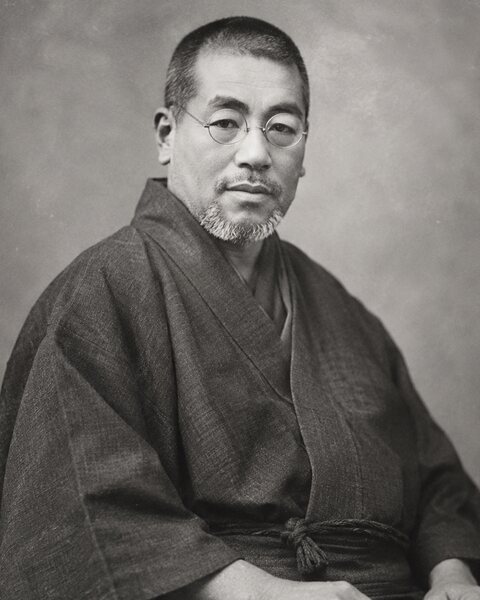
Mikao Usui was born on 15 August 1865 in the village of Taniai, in what is now Gifu Prefecture, Japan. Accounts of his life are a mix of documented fact and later tradition, and details vary between tellings. He is described as a curious and well-read man who studied widely and held a number of occupations before turning to the practice that would define him.
Mount Kurama
The best-known story tells of a retreat on Mount Kurama, near Kyoto, where Usui is said to have undertaken a long period of fasting and meditation. Tradition holds that at the end of this retreat he experienced a moment of insight — often called an awakening — that gave rise to the method he would go on to teach.
"The secret art of inviting happiness, the miraculous medicine of all diseases."
Teaching in Tokyo
In April 1922 Usui opened a school in Tokyo and founded a society, the Usui Reiki Ryoho Gakkai, to teach and preserve the practice. He is said to have treated many people and trained a number of students in the years that followed, refining the method as he went.
Among his students was Chujiro Hayashi, a former naval officer who would open his own clinic and help shape the more structured, hands-on form of Reiki that later reached the West.
Death & legacy
Usui died of a stroke on 9 March 1926. A memorial stone beside his grave at the Saihoji temple in Tokyo records his life and the story of Reiki. Through Hayashi and, in turn, Hawayo Takata, the practice spread from Japan across the world, and Usui is honored as its founder in nearly every lineage.
Fact and tradition
Much of what is told about Usui blends documented history with story handed down by his students. The bare facts — his dates, the founding of the Gakkai in 1922, the memorial stone at Saihoji — are reasonably firm; the vivid details of the Kurama retreat and his awakening come to us through tradition rather than record.
This mixture is worth holding lightly. It does not diminish Usui to say that some of his life is remembered rather than proven; it simply places him where he belongs, at the meeting point of a real historical figure and a practice that grew, in part, through the tellings of those who followed him.