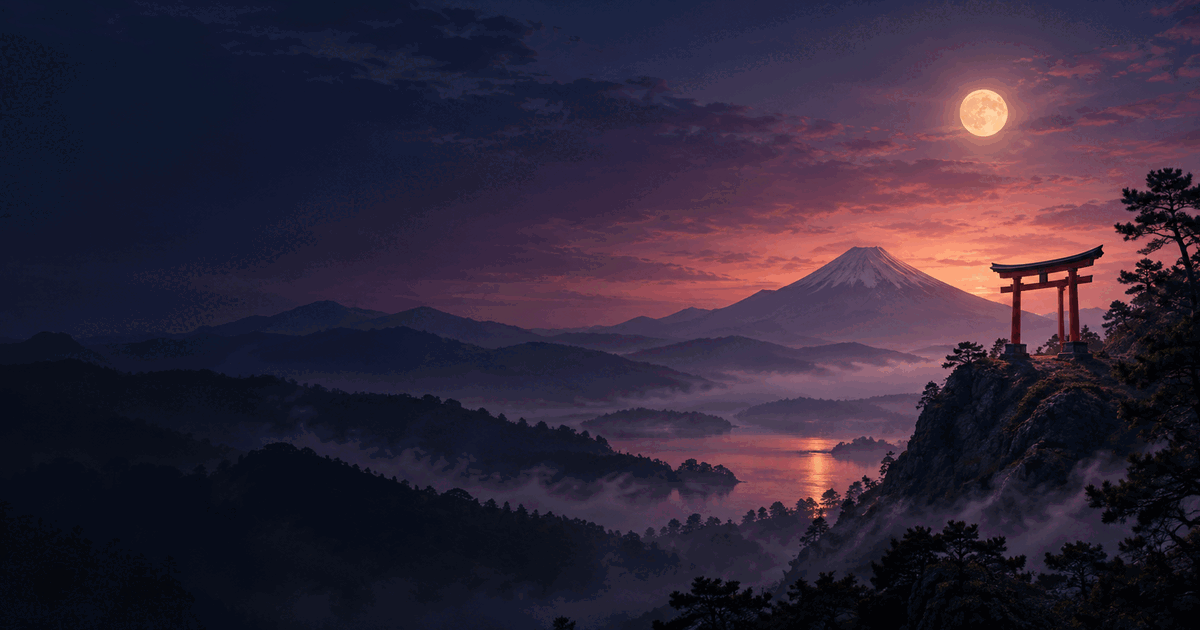
A century after Usui’s retreat on Mount Kurama, Reiki is practised all over the world — most often as a gentle support for relaxation and well-being.
A worldwide practice
Reiki is now taught and offered on every continent. People learn it in weekend classes, receive it from practitioners in quiet treatment rooms, and sometimes meet it in wellness centres and spas. For most, it is simply a way to rest deeply and feel a little more balanced.
Many schools, one root
The practice has branched into many forms. Takata’s Usui Shiki Ryoho remains the most widespread, but there are also Japanese lineages such as Jikiden and Gendai Reiki, and newer systems like Karuna and Holy Fire Reiki. Different as they are, all of them trace back to Mikao Usui.
In care and wellness
Some hospitals, hospices, and cancer-care programmes now offer Reiki as complementary comfort care, valued for helping patients relax during difficult treatment. In these settings it is always framed as support for well-being rather than as a medical treatment in its own right.
Roots revisited
Alongside its spread, recent decades have brought a renewed interest in where Reiki came from — the Usui Reiki Ryoho Gakkai, the precepts, and the meditative Japanese practices. Today’s Reiki is, in many ways, a meeting of the old and the new.
Reiki today is diverse, global, and gentle — many styles and settings, all sharing one root and one aim: a calmer, more balanced sense of well-being.